CHANGE UP
Shift early
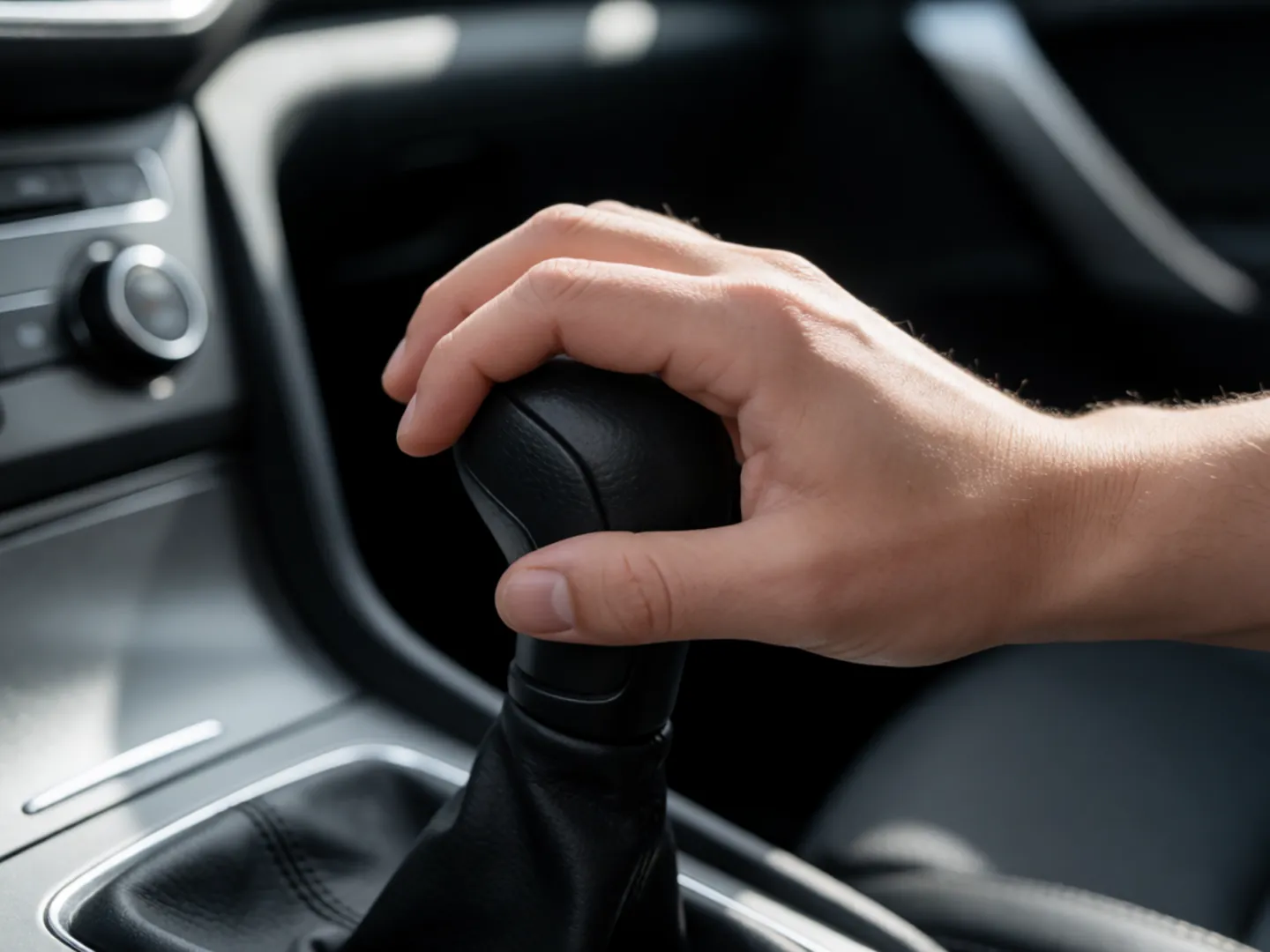
The Energy Saving Trust says high revs increase fuel use, so change up early, usually by around 2,000 rpm. The AA suggests about 2,000 for diesel and 2,500 for petrol.
Check a habit doodlerevs
WHAT THE ADVICE SAYS
The rev counter shows how hard the engine is spinning.
2,000 RPM change up around here
≈ 10% Average saving on weekly fuel bills
Driving at high revs uses more fuel. UK motoring and energy advice comes back to a few habits: change up early, lift off in gear, and switch off when you will be waiting.
THE SHORT ANSWER
The needle is a fuel gauge in disguise.
Three habits keep it low without slowing you down.
CHANGE UP
The Energy Saving Trust says high revs increase fuel use, so change up early, usually by around 2,000 rpm. The AA suggests about 2,000 for diesel and 2,500 for petrol.
Check a habitSLOW DOWN
Ease off the accelerator early but stay in gear. The AA says the engine computer cuts fuel to the injectors anyway, so coasting in neutral saves nothing.
How to do itWAITING
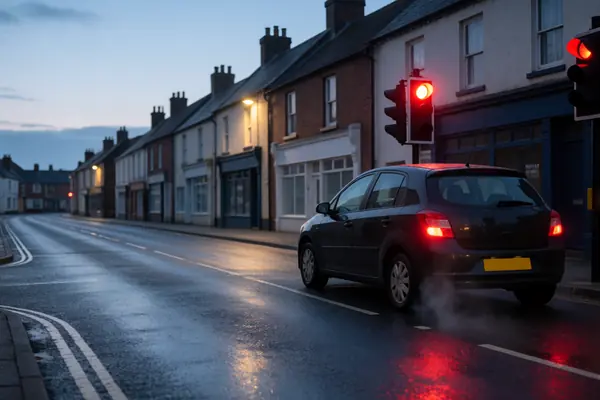
The Energy Saving Trust says switch off if you will be stationary for more than a minute, if your car does not do it for you. The Highway Code says a couple of minutes.
Read the dialA QUICK HABIT CHECK
Pick an everyday driving moment to see what UK advice says. The bar shows how much the habit tends to cost in extra fuel.
Based on Energy Saving Trust and AA eco-driving advice and the Highway Code. General information, not legal advice.
FOUR HABITS TO TRY
None of these needs a new car. They are about reading the road and the rev counter you already have.
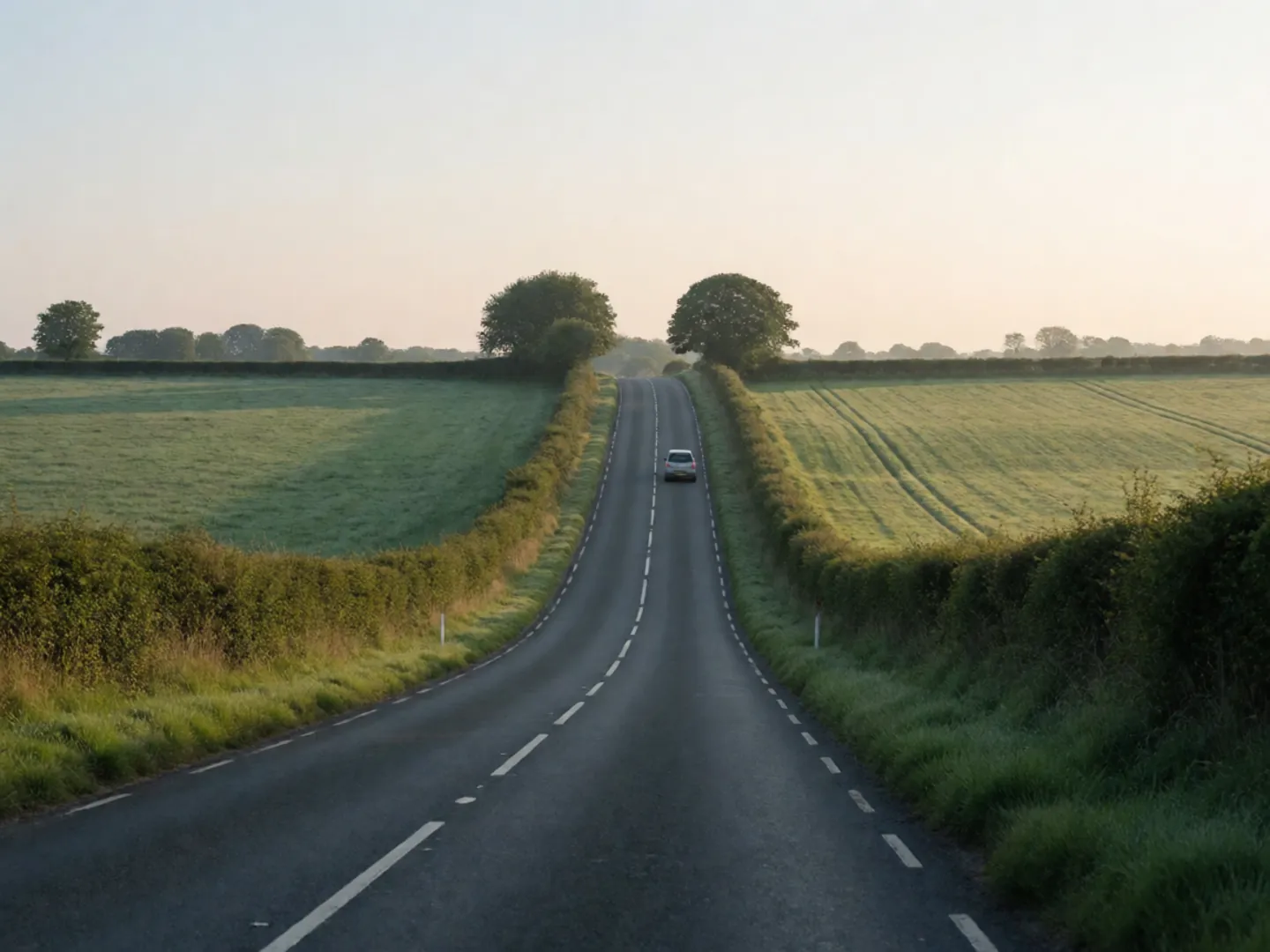
Shift to a higher gear early when accelerating, without labouring the engine. Follow the gear shift indicator if your car has one.
Anticipate the road to avoid unnecessary braking and accelerating, and leave more space to the vehicle in front.
Release the accelerator early when approaching lights or a roundabout, and leave the car in gear rather than coasting.
If your car has no stop-start, switch off when you expect a long wait. Never leave a parked vehicle unattended with the engine running.
TWO NUMBERS WORTH KNOWING
One figure from a real eco-driving trial,
one on what speed does to fuel use.
≈ 10%
Average saving on weekly fuel bills
When 50 AA staff drove normally for a week and then followed eco-driving advice for a week, they saved an average of 10% on fuel. The best saved 33%.
ECO-DRIVING TRIAL · AA
up to 25%
Extra fuel at 80 mph compared with 70 mph
The AA says going faster uses more fuel: 70 mph uses up to 15% more than 50 mph, and 80 mph up to 25% more than 70 mph.
SPEED · AA
The Energy Saving Trust adds that efficient driving has safety benefits too, because it relies on anticipating the road further ahead.
READING THE DIAL
A rev counter, or tachometer, shows how fast the engine's crankshaft is turning, usually in revolutions per minute. Most car dials mark the safe range, helping the driver choose sensible throttle and gear settings.
On analogue dials the speeds above the maximum safe operating speed are marked in red, which is where 'redlining' comes from. Lorry and tractor dials may add a green arc for the range where the engine gives most torque.
Questions
For economy, the Energy Saving Trust says change up early, usually by around 2,000 rpm. The AA suggests about 2,000 rpm in a diesel and 2,500 rpm in a petrol car, without labouring the engine.
No, according to the AA: modern engine computers cut fuel when you lift off in gear. The Highway Code also warns coasting removes engine braking and can reduce your control.
Advice varies. The Energy Saving Trust says switch off if stationary for more than a minute; the Highway Code says more than a couple of minutes, though running is allowed in traffic. The AA says only if your engine is warm, your battery good and you expect about 3 minutes.
It marks engine speeds above the maximum safe operating speed. Prolonged running there can cause poor lubrication, overheating and excessive wear or damage.
In an AA trial, 50 staff saved an average of 10% on weekly fuel bills by following eco-driving advice, and the best saved 33%.
Updated
ABOUT THIS NAME
doodlerevs.com is part of the DoodleSale portfolio. It isn't in an auction right now, but you can ask about leasing it.